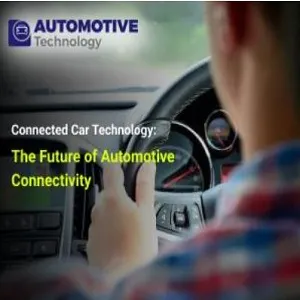
Innovations in Vehicle Infotainment Systems: Enhancing the Driving Experience
In today's fast-paced world, where technology continues to evolve at a rapid pace, one area that has seen significant advancements is vehicle infotainment systems. Gone are the days when cars were simply a means of transportation. Modern vehicles are equipped with sophisticated infotainment systems that not only entertain but also provide convenience, safety, and connectivity features to enhance the overall driving experience.
Evolution of Vehicle Infotainment Systems
The journey of vehicle infotainment systems dates back to the introduction of car radios in the early 1930s. Over the decades, these systems have evolved from basic radio receivers to comprehensive multimedia platforms. The integration of technologies such as Bluetooth, GPS navigation, voice recognition, and smartphone connectivity has revolutionized the way we interact with our vehicles.
Key Features of Modern Infotainment Systems
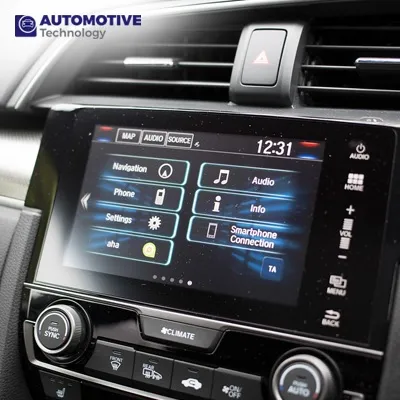
a. Touchscreen Displays: One of the most prominent features of modern infotainment systems is the touchscreen display. These high-resolution screens not only provide access to entertainment options like music and videos but also serve as the interface for navigation, climate control, and vehicle settings.
b. Smartphone Integration: With the rise of smartphones, vehicle infotainment systems now offer seamless integration with mobile devices. Features like Apple CarPlay and Android Auto allow drivers to access their phone's apps, make calls, send messages, and navigate using familiar interfaces directly on the car's display.
c. Voice Recognition: Voice-controlled infotainment systems have become increasingly popular as they offer hands-free operation. Drivers can use voice commands to control various functions, such as changing music tracks, making calls, or adjusting the climate control settings, without taking their hands off the wheel.
d. Connected Services: Many modern vehicles come equipped with connected services that provide real-time information and connectivity. These services include live traffic updates, weather forecasts, remote vehicle monitoring, and even emergency assistance, adding a layer of safety and convenience to the driving experience.
e. Advanced Audio Systems: High-end infotainment systems often include premium audio systems with features like surround sound, equalizer settings, and personalized audio profiles. These systems deliver an immersive listening experience, whether you're listening to music, podcasts, or audiobooks.
f. Intelligent Navigation: GPS navigation systems have become standard in most infotainment setups. Advanced navigation systems offer real-time traffic updates, predictive routing based on traffic conditions, points of interest along the route, and even integration with voice assistants for natural language guidance.
Innovations Driving the Future of Infotainment Systems
1. Augmented Reality (AR) Displays: The integration of augmented reality into vehicle infotainment systems is a game-changer. AR displays can overlay useful information, such as navigation arrows or points of interest, directly onto the driver's view of the road, enhancing situational awareness without distracting from driving.
2. Gesture and Eye-Tracking Controls: Future infotainment systems may incorporate gesture and eye-tracking technology to allow for intuitive and hands-free interaction. Drivers could simply gesture or glance at certain areas of the display to perform actions like adjusting volume, answering calls, or accessing menu options.
3. Biometric Authentication: To enhance security and personalization, biometric authentication features such as facial recognition or fingerprint scanning may be integrated into infotainment systems. This could enable personalized settings, access to user profiles, and secure authentication for in-car purchases or transactions.
4. Enhanced Connectivity: As vehicles become more connected, infotainment systems will likely offer enhanced connectivity options. This includes integration with smart home devices, seamless data sharing between devices, and even integration with IoT (Internet of Things) ecosystems for a seamless connected experience both inside and outside the vehicle.
5. Artificial Intelligence (AI) Integration: AI-powered infotainment systems can learn user preferences, predict behavior, and offer personalized recommendations. From suggesting optimal routes based on past driving patterns to curating playlists based on listening habits, AI can make the driving experience more enjoyable and tailored to individual preferences.
6. Virtual Reality (VR) Entertainment: While still in the conceptual stage, the integration of virtual reality into vehicle infotainment systems could revolutionize in-car entertainment. Passengers could immerse themselves in virtual worlds, watch movies in a virtual cinema, or even participate in interactive VR experiences during long journeys.
Challenges and Considerations
While the future of vehicle infotainment systems holds tremendous promise, there are also challenges and considerations that need to be addressed. These include:
a. Driver Distraction: With the increasing complexity of infotainment systems, there is a concern about driver distraction. Designing intuitive interfaces, implementing voice controls, and prioritizing essential information are crucial to mitigate distractions and ensure safe driving.
b. Data Privacy and Security: As infotainment systems gather and process sensitive data, such as location information, personal preferences, and biometric data, robust measures must be in place to protect user privacy and prevent unauthorized access or data breaches.
c. Integration and Compatibility: Ensuring seamless integration and compatibility with a wide range of devices, platforms, and software updates is essential for delivering a consistent and user-friendly experience across different vehicles and technologies.
d. Regulatory Compliance: Infotainment systems must comply with regulatory standards and guidelines related to automotive safety, cybersecurity, data protection, and distracted driving to ensure they meet industry standards and legal requirements.
Conclusion
Innovations in vehicle infotainment systems continue to reshape the automotive industry, offering a blend of entertainment, connectivity, safety, and convenience features that enhance the overall driving experience. From touchscreen displays and smartphone integration to future technologies like augmented reality and artificial intelligence, the possibilities are endless. However, addressing challenges such as driver distraction, data privacy, and regulatory compliance is crucial to unlocking the full potential of these innovative systems and creating a safer and more enjoyable driving environment for everyone.
 Media Pack Download
 Newsletters
 Industrial Events