Choosing a Reliable Engine Block Manufacturer for OEM or Aftermarket Needs
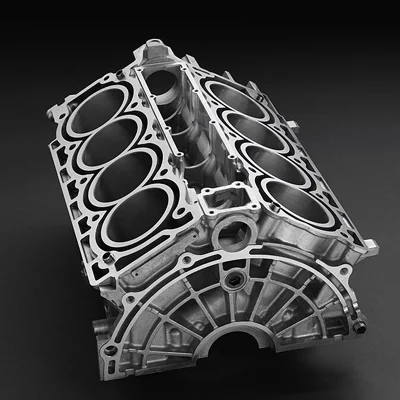
In automotive manufacturing, there are parts you can compromise on—and then there are parts you absolutely cannot. The engine block sits firmly in the second category.
It’s not just another casting. It is the internal part of the engine. Should anything go amiss here, then all downstream, performance, emissions, warranty costs, begin to unravel. That’s why Engine Block Manufacturer Selection is rarely a simple sourcing decision. It’s closer to choosing a long-term production partner.
Whether you’re evaluating OEM Engine Block Suppliers or exploring Aftermarket Engine Block Manufacturers, the real challenge lies in separating suppliers who can produce from those who can consistently deliver at scale without surprises.
Why Engine Block Manufacturing Demands Careful Supplier Selection
At first glance, Automotive Engine Block Manufacturing may seem like a standard industrial process—casting followed by machining. In reality, it’s far more sensitive than that.
Small deviations in casting integrity or machining precision can lead to:
- Poor heat dissipation
- Oil leakage issues
- Reduced engine life
- Increased vibration and noise
This is why Precision Engine Block Casting is not just a technical capability—it’s a reliability indicator.
A good supplier doesn’t just meet specs on paper. They maintain consistency across batches, across months, across production cycles.
OEM vs Aftermarket: Same Component, Different Expectations
Before shortlisting suppliers, it helps to be clear about your end use. OEM and aftermarket needs overlap—but they’re not identical.
OEM Engine Block Suppliers
OEM sourcing is demanding by design. You’re not just buying a component—you’re embedding it into a production ecosystem.
Most OEMs expect:
- Strict compliance with OEM quality standards in engine manufacturing
- Zero-defect mindset
- Traceability across every unit
- Tight integration with the engine component supply chain
- Predictable delivery schedules
There’s also an expectation of collaboration. OEM suppliers are often pulled into design discussions, not just production.
Aftermarket Engine Block Manufacturers
The aftermarket operates differently. There’s more flexibility—but also more variability.
Here, buyers usually prioritize:
- Fitment across multiple vehicle models
- Competitive pricing
- Ready availability
- Shorter lead times
However, quality still matters. The best engine block manufacturers for aftermarket automotive parts are the ones who resist the temptation to cut corners, even when margins are tight.
What Actually Matters in Cylinder Block Manufacturing
A supplier might have a great brochure—but that doesn’t tell you much. The real evaluation happens at the process level.
Casting Quality Is Non-Negotiable
Every engine block starts as a casting. If this stage is flawed, machining can’t fix it.
Most suppliers work with:
- Cast iron engine blocks for durability and cost efficiency
- Aluminum variants for weight reduction
But material alone isn’t enough. You need to look at:
- Mold design accuracy
- Cooling control during casting
- Defect rates (porosity, shrinkage, cracks)
Strong automotive casting solutions show up as consistency—not just capability.
Machining Precision Makes or Breaks Performance
Once casting is done, machining defines the final performance.
This includes:
- Cylinder bore alignment
- Surface finishing
- Dimensional tolerances
Even minor inconsistencies here can affect compression ratios and fuel efficiency. So when evaluating suppliers, don’t just ask if they machine—ask how well they hold tolerances over time.
Material Understanding Is Often Underrated
Some suppliers simply follow specifications. Better ones question them.
For instance:
- When should you stick with cast iron engine blocks?
- When does aluminum make more sense?
- What about hybrid designs?
A manufacturer with real expertise will guide these decisions instead of just executing them.
Key Factors in Selecting Engine Block Suppliers for Automotive Industry
This is where most sourcing teams either get it right—or regret it later.
1. Consistency Over Capability
Almost every supplier can produce a good sample. The question is: can they maintain that quality across thousands of units?
Look at:
- Rejection rates
- Process stability
- Quality drift over time
Consistency is what separates reliable partners from risky ones.
2. Production Capacity That Matches Reality
Overpromising is common in manufacturing.
So instead of just asking about capacity, dig deeper:
- What’s their current utilization?
- How do they handle sudden demand spikes?
- Do they have backup lines?
For OEMs especially, a mismatch here can disrupt the entire engine component supply chain.
3. Quality Systems That Actually Work
Certifications are a starting point—not the finish line.
Yes, compliance with OEM quality standards in engine manufacturing is essential. But you also need to see:
- Inspection processes in action
- Testing frequency
- Root cause analysis methods
A good supplier doesn’t just detect defects—they prevent recurrence.
4. Cost vs Long-Term Value
Low pricing can be tempting, especially in aftermarket sourcing. But it often comes with hidden costs:
- Higher failure rates
- Warranty claims
- Customer dissatisfaction
Therefore, rather than just unit price, consider the overall cost in the lifecycle of the product.
5. Engineering Support (This One Is Often Ignored)
Suppliers who only “build to print” are easy to find.
Suppliers who help you improve the design? Much rarer.
This kind of support can lead to:
- Better manufacturability
- Lower production costs
- Improved durability
For OEMs, this is a major advantage.
What to do to select a trustworthy engine block supplier to OEM.
In case of OEM sourcing everything is about a methodical approach.
Start with clarity:
- Define technical requirements in detail
- Lock in tolerances and materials
- Estimate realistic volumes
Then move to evaluation:
- Conduct on-site audits
- Review production lines
- Talk to their existing clients if possible
Don’t skip validation:
- Test prototypes under real conditions
- Check dimensional accuracy
- Evaluate long-term durability
Lastly, reason second order. OEM relationships are long-term. You’re not just choosing a vendor—you’re choosing a partner.
What Sets the Best Aftermarket Manufacturers Apart
In the aftermarket, speed and cost matter—but not at the expense of reliability.
The best engine block manufacturers for aftermarket automotive parts typically have:
- A wide product range
- Strong distribution networks
- Consistent stock availability
- Reliable quality across batches
One practical tip: check market reputation. In the aftermarket, feedback travels fast—and it’s usually honest.
Common Pitfalls Buyers Still Fall Into
Even experienced teams make mistakes in Engine Block Manufacturer Selection.
The most widespread ones are:
- Selection by price.
- Skipping detailed audits
- Ignoring supply chain risks
- Overlooking scalability
These problems do not manifest themselves immediately-but when they do, they are costly to remedy.
Where the Industry Is Headed
Engine block manufacturing isn’t static. It’s evolving, and supplier capabilities need to keep up.
Some key shifts include:
- Greater use of lightweight materials
- Improved precision engine block casting techniques
- Automation and digital quality tracking
- Changing demand patterns due to electrification
Even with EV growth, hybrid engines are keeping cylinder block manufacturing relevant—and competitive.
Final Thoughts
At the end of the day, the choice of engine block manufacturer is boiled down to a single factor; trust with which to be supported by evidence.
Not marketing claims. Not certifications alone. But demonstrated capability to perform, constantly, in the real-world environment.
Be it OEM Engine Block Suppliers or Aftermarket Engine Block Manufacturers, it is important that you pay attention to what really counts:
- Process reliability
- Quality consistency
- Supply chain strength
- Willingness to collaborate
Because in automotive manufacturing, a weak engine block supplier doesn’t just create problems—it multiplies them.
And by the time those problems surface, it’s usually too late to switch.
 Media Pack Download
 Newsletters
 Industrial Events