Braking System Maintenance: How to Keep Your Vehicle Safe and Efficient
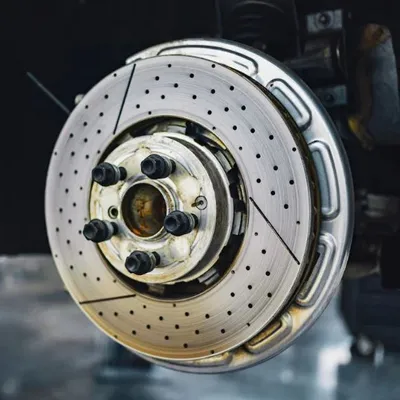
A vehicle's braking system represents its most foundational safety component because it determines both vehicle stability and overall performance. A correctly maintained braking system provides vehicles with safe efficient stops that prevent traffic accidents. Our following discussion will focus on depressuring braking system maintenance techniques alongside standard braking problems which influence brake quality.
Why Brake Maintenance is Crucial
Regular driving takes a heavy toll on your vehicle's braking system because it tends to develop damage between uses. Through braking system functions, you can control vehicle speed while avoiding accidents and ensure stops safely. The natural degradation of braking system components creates conditions where stopping performance decreases and distances extend and hazardous situations can occur.
Going to scheduled brake service provides essential verification that your system functions properly which safeguards you from major brake expenses and unexpected brake system malfunction.
Key Components of the Braking System
Before diving into maintenance, it’s important to understand the key components of a braking system:
1. Brake Pads/Shoes: The components which generate friction against brake drums and discs act as the essential friction materials that provide vehicle stopping power. Old brake pads cause multiple problems by weakening braking power and deteriorating brake system components.
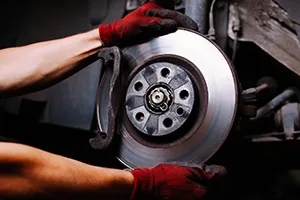
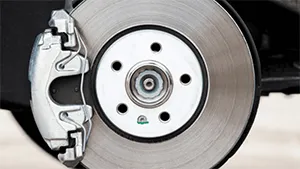
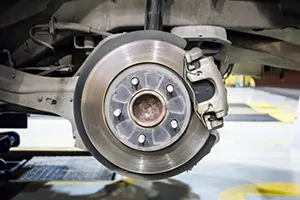
2. Brake Discs (Rotors): Metal discs operate under flat circular forms and brake pads produce stopping friction through their contact with these components. Constant use leads brake components to form grooves and cracks when the pads experience continuous wear.
3. Brake Fluid: Brake fluid conductively passes braking force sent by brake pedals to all brake system elements. Used up or deteriorated brake fluid creates decreased braking performance and could result in brake failure.
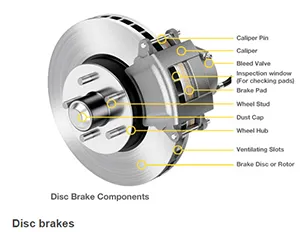
4. Brake Calipers: These clamp down on the brake pads and the disc. Faults or sticking calipers between the brake system's components produce uneven braking and damage the rotor.
5. Brake Lines: These carry the brake fluid from the master cylinder to the brake calipers. Damage or leaks in these lines will cause your braking system to fail.
6. Master Cylinder: You activate hydraulic pressure for braking operations through your pedal pressure which engages the brake function of your vehicle.
Signs You Need Brake Maintenance
Scheduled maintenance inspections enable you to find significant problems at an early stage. Here are some warning signs that indicate your braking system might need attention:
1. Squealing or Grinding Noise: Your brake pads need replacement when braking creates squealing or grinding noises at the brake region. Brake pad wear allows metal from the backing plate to drag against the rotor creating significant damage when you hear grinding noises when braking.
2. Vibrating Brake Pedal: You can suspect brake disc warp when a noticeable pedal pulsation occurs during brake application. Whereas overheating incidents and extreme wear rates are two known causes of this condition.
3. Soft or Spongy Brake Pedal: Brake fluid and air in brake lines present themselves through a piano pedal feeling so you should inspect these brake components for potential problems. Brake fluid levels that are low or filled with contaminants stop brake pads from responding properly.
4. Pulling to One Side: When your vehicle has brake-related side pulling it may stem from unequal brake pad wear, but it could also be caused by faulty calipers or suspension problems.
5. Longer Stopping Distance: A vehicle's delayed braking could be caused by damaged brake pads or insufficient brake fluid or faulty brake calipers.
Regular Brake Maintenance Tips
The process of brake maintenance requires service that exceeds basic pad replacement. The maintenance process needs equal focus on every component throughout the braking system. Here are the best practices to keep your vehicle’s brakes in optimal condition:
1. Check Brake Pads Regularly
Motorists should inspect their brake pads for deterioration between 10,000 and 15,000 road miles. Wear indicators built into most brake pads generate squeaking noises that indicate pad wear. When the brake pad replacement indicator provides sound signals you must replace your brake pads immediately. Article one also instructs pad inspections for thickness measurement. Material inspection reveals it is time for replacement once it drops below 1/4 inch thickness.
2. Inspect Brake Discs (Rotors)
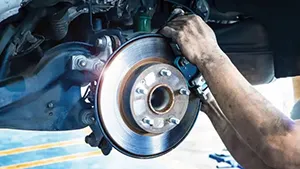
Your brake discs need regular inspections for their condition. Use your eyes to search for cracks and discolorations combined with grooves on the braking components because these signs point to overheating. Rotated through a distortion which then causes vibrations to appear while braking. You need to resurface poor condition rotors or replace them altogether.
3. Monitor Brake Fluid Levels
Regular inspections of brake fluid maintenance help you verify its optimal water content. A brake system deprived of proper fluid amounts reduces your stopping capabilities to dangerous levels causing complete failure of the brakes. A breakdown of brake fluid occurs over 1 to 2 years so professionals recommend replacing this fluid every 1 to 2 years to maintain proper brake system performance. The fluid needs replacement when you discover discoloration or detect a burnt odor.
4. Replace Brake Fluid as Needed
The absorption of moisture by brake fluid during prolonged use results in brake system corrosion while simultaneously degrading the fluid's operational capacity. All vehicle owners should replace their brake fluid every two years or follow the recommendations provided by their manufacturer.
5. Inspect Brake Calipers
Owners must check brake calipers both for evidence of corrosion and make sure their function is right. Having brake calipers that stick to the rotor will produce unbalanced brake pad wear which damages braking functionality. Have any caliper issues serviced or replaced immediately when they appear.
6. Check Brake Lines for Leaks
The system depends on brake lines to send hydraulic pressure unimpeded to braking parts. Public safety depends on daily brake line inspections to detect leakage or the presence of cracks. Brake lines need immediate replacement when you detect any form of damage.
7. Monitor Brake Performance
Notice your brake performance while you drive the vehicle. When your vehicle shows any modifications like these you should take action right away: softer brake pedal feel together with grinding sounds and wheel misalignment. Early detection of problems will help avoid upper maintenance costs down the road.
Seasonal Brake Maintenance
The performance of your braking system in every weather requires seasonal inspections in addition to routine brake examinations.
• Winter: Brake fluid functions poorly at low temperatures because temperature changes make it thick resulting in decreased braking power. Before winter sets in check your brake fluid condition to confirm it remains clean and ensure adequate levels. Always inspect both brake pads and rotors after they have encountered road salt and wetness.
• Summer: Heat conditions can stress brake components until they reach extremely high temperatures which creates brake fade. For the summer season you need to evaluate your brake pads for wear and examine your rotors to make sure they haven't become warped from excessive heat.
How to Extend the Life of Your Brakes
While regular maintenance is essential, there are also some tips to help extend the life of your braking system:
1. Drive Smoothly: Drive with continuous movements instead of pushing brakes suddenly or wheeling rapidly. Braking gradually stretches braking elements over extended periods of use leading to lower mechanical strain.
2. Avoid Overloading Your Vehicle: Heavy vehicle weight strains the braking components resulting in enhanced brake pad and rotor deterioration.
3. Use Engine Braking: Shift your gear into a lower range before stops and while driving downward to save brake activity.
4. Perform Regular Inspections: Bring your vehicle to a professional mechanic for brake inspections once a year.
Conclusion
Vehicle braking system maintenance ensures safety for both occupant protection and durability of your car. Through proper brake checks along with fluid maintenance and immediate replacement of worn components your car maintains both safety and efficiency and avoids expensive repairs.
By following the best practices outlined in this article, you can keep your braking system in optimal condition, ensuring that your vehicle stops reliably whenever you need it to.
 Media Pack Download
 Newsletters
 Industrial Events